
Your Horse Riding Adventure Begins
Leave the safari vehicle behind and experience Tanzania's landscapes,
wildlife and open wilderness from the back of a horse.
Why Understand Uganda Visa Requirements?
Meet the Wild on Horseback
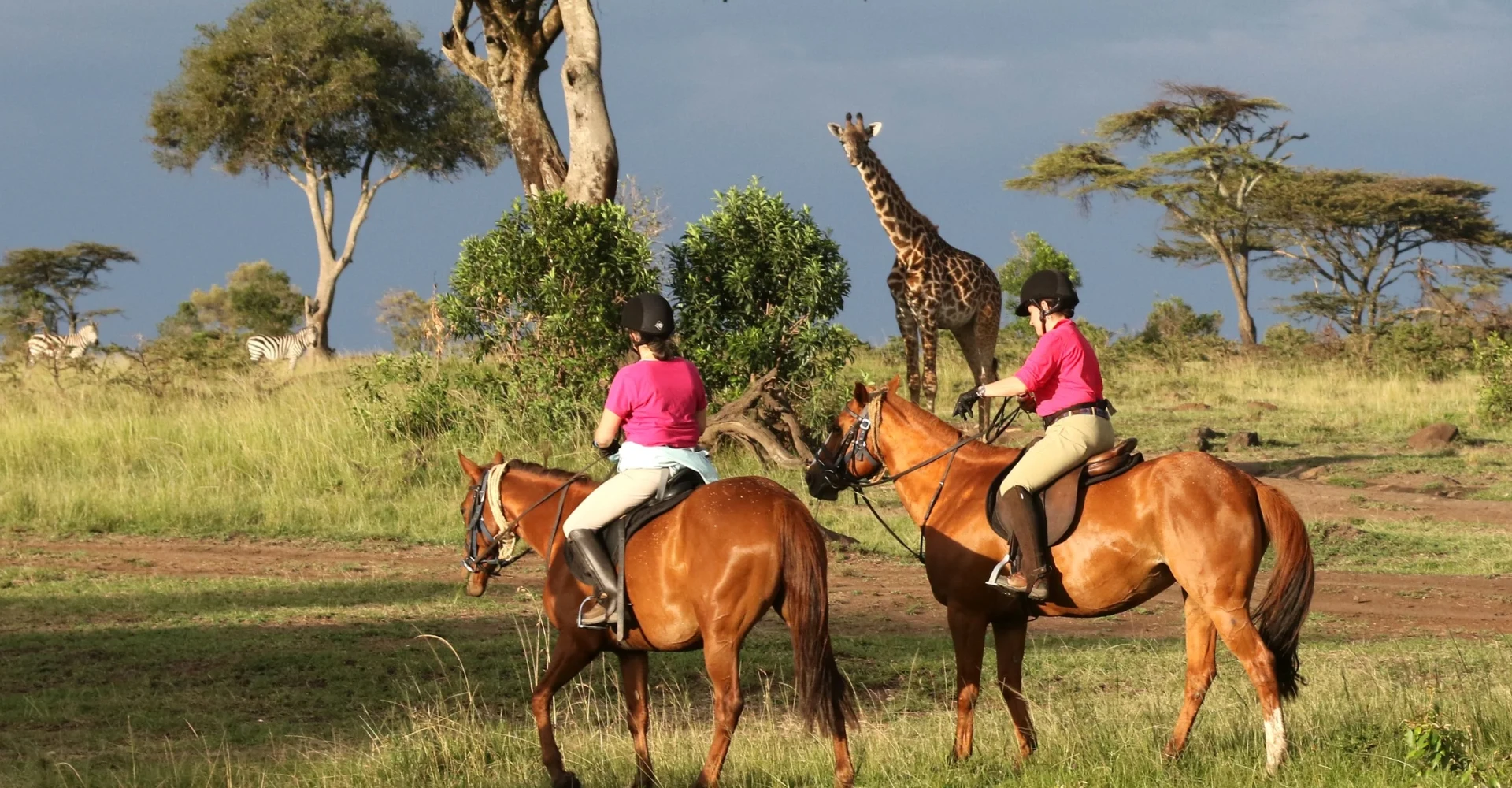
A Horse Riding Safari Tanzania offers a different way to experience the country's wildlife and natural landscapes. Instead of travelling entirely by 4x4, you explore on horseback, moving through the wilderness at a slower and more immersive pace. Lifetime Safaris highlights the chance to encounter zebras, giraffes and other grazing animals while riding through Tanzania's natural surroundings. The experience is particularly suited to travellers looking for something beyond the conventional vehicle safari. You can feel more connected to the landscape as the horse carries you through open areas and along routes that offer a different perspective from inside a safari vehicle.
The Serengeti provides a particularly memorable setting for horseback exploration. Lifetime Safaris describes riding through the Serengeti while experiencing the surroundings and witnessing the spectacle of the million wildebeest migration. Instead of watching the landscape through a vehicle window, you become part of the movement of the environment around you. Wildlife encounters depend on the area and conditions, but the possibility of seeing zebras, giraffes and other animals makes the experience especially appealing to adventurous travellers.
Horseback safari changes the relationship between traveller and landscape. You hear the surroundings, feel the movement of the horse and experience Tanzania from a position that a conventional game drive cannot provide.
A Different Pace Through Tanzania
The appeal of a horseback safari lies partly in its pace. A horse allows you to travel through the landscape without the constant presence of an engine, creating a quieter way to experience the surroundings. Lifetime Safaris presents the activity as an alternative to the more common 4x4 safari style, particularly for travellers who want something outside the usual approach. Riding can bring you into closer contact with the landscape while giving you a different view of wildlife and natural heritage. The experience is less about covering the greatest distance and more about enjoying the journey itself.
Your riding ability also matters when choosing an experience. The source recommends having some previous horse-riding experience, although safaris are available for both experienced and novice riders. Discussing your ability with the safari company before booking allows the team to understand what type of riding experience is appropriate. This can help you choose an itinerary that feels enjoyable rather than unnecessarily demanding.
You do not need to be an expert rider to appreciate the concept. What matters is choosing an experience that matches your riding ability and comfort while allowing you to enjoy Tanzania from horseback.
When to Experience a Horse Riding Safari in Tanzania
Choose your dates around dry-season conditions, wildlife
movement and the riding experience you want.
Lifetime Safaris identifies June to October as the best period for a horse riding safari. During the dry season, weather conditions are generally more favourable and animals tend to gather around water sources, which can make wildlife easier to spot. Horse riding safaris remain available throughout the year, although conditions change with the seasons.
- January
- February
- March
- April
- May
- June
- July
- August
- September
- October
- November
- December
- Best
- Good
- Mixed
How to Plan a Horse Riding Safari in Tanzania
Planning a Horse Riding Safari Tanzania starts with understanding the type of riding experience you want. Consider your previous riding ability, the length of safari you prefer and the areas you want to explore. Lifetime Safaris states that horse riding safaris can last from a few days to several weeks, depending on the chosen experience. The Serengeti is particularly highlighted for horseback exploration, including the opportunity to experience the landscape during the wildebeest migration. Before booking, discuss your riding experience with the safari company so the itinerary suits your ability and expectations.
What you wear can make a practical difference during the ride. Lifetime Safaris recommends comfortable, lightweight clothing suitable for Tanzania's climate, with long-sleeved shirts and trousers providing protection from the sun and insects. Sturdy closed-toe shoes with a small heel are recommended to help prevent your foot from slipping through the stirrup. You should also follow the safety instructions provided by your guide and use the equipment supplied for the activity. Preparing appropriately lets you concentrate on the riding experience.
The best preparation is knowing your own riding ability. Choose a safari that matches your experience, wear suitable clothing and listen carefully to your guide throughout the ride.
Make the Ride Part of Your Tanzania Adventure
A horseback safari can be the main focus of your trip or one part of a wider Tanzania adventure. Lifetime Safaris presents the experience as an alternative to the traditional 4x4 safari, giving travellers another way to explore Tanzania's natural heritage. If wildlife is your priority, the Serengeti offers an especially distinctive setting, with opportunities to experience the plains and the wildebeest migration from horseback. The experience can also suit travellers who simply want to explore the landscape differently and spend more time connected to the journey itself rather than travelling entirely by vehicle.
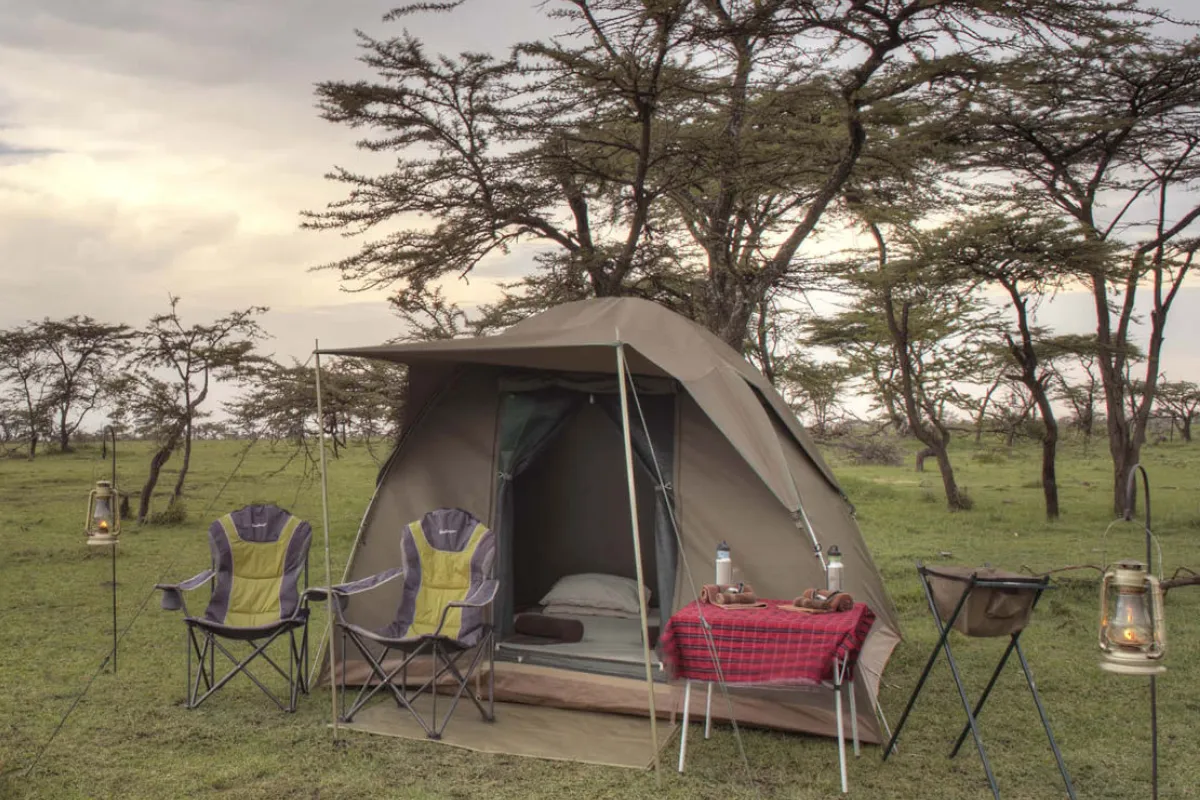
Your accommodation can vary according to the safari you select. The source explains that some horse riding safaris involve camping in tents in remote areas, while others may use lodges or campsites with more amenities. The length can also vary considerably, from a few days to several weeks. Discussing your preferred level of comfort, riding ability and trip duration before booking helps the safari company identify an option that fits your plans.
Horse riding gives the journey its own rhythm. Ride when you want a closer connection with the landscape, follow your guide's instructions and allow the experience to unfold at the pace of the horse.
Explore Our Activities
Discover unforgettable experiences through our
favorite safari activities
Frequently Asked Questions
About Horse Riding Safari Tanzania
These common Horse Riding Safari Tanzania FAQs cover riding ability, clothing, wildlife, safety, timing, duration and accommodation.
Lifetime Safaris recommends some previous riding experience, but it also states that horse riding safaris are available for both experienced and novice riders. Discuss your riding ability with the safari company before booking.
Possible wildlife includes elephants, lions, leopards, zebras, giraffes and other species. The animals you encounter depend on the specific area and safari route.
The source states that horse riding safaris are generally safe when travellers follow their guide's instructions and appropriate safety precautions. Guides provide safety information and necessary equipment.
Lightweight clothing suited to the climate is recommended. Long-sleeved shirts and trousers can protect against sun and insects, while sturdy closed-toe shoes with a small heel help keep your foot secure in the stirrup.
Plan Your Tanzania Journey With
Local Safari Experts
Share your ideas and let our team shape the trip around you.
- Honest advice from local experts
- Routes designed around your personal travel interests
- Save hours with practical safari planning support

Hear From Our Travellers
Hear from travellers who discovered Tanzania with Lifetime Safaris
and shared their experiences
Good guide is very important
High recommend Danford and Lifetime Safaris! Danford is a skilled attentive driver with deep Safari knowledge and great instincts.

Paulo P
Love Lifetime Safaris
Great safari with our guide Humphrey! Safari roads are crazy and we felt safe, comfortable and well supported the whole time.
Kerri P
An unforgettable safari experience
An unforgettable experience indeed! We travelled with our friends and it’s a total six of us. Our guide Danford was excellent.
Stephen M
Trip of a lifetime with guide James
We have just recently returned from Tanzania, an absolute trip of a lifetime made even more special because of our guide James.
Cindy
Wonderful adventure in Tanzania
Wonderful adventure in Tanzania visiting local villages and markets, Materuni waterfalls, Tarangire, Serengeti, and Ngorongoro parks.
Oscar
Unforgettable Safari Experience
We had an incredible experience on our safari, and a huge part of that was thanks to our amazing guide James "Bond".
stephen k
Ready to plan?
Tell us your interests, dates, and ideas, and we’ll help
shape your Tanzania safari journey
Journeys
Explore Tanzania with journeys shaped around your interests, pace, and travel style.
Contact Us
Have questions about your Tanzania safari? Speak with our local team and start planning your journey.